
Madagascar Vanilla vs Artificial Vanilla: A Guide for Pastry Chefs
Share
Understanding the fundamental differences between natural and artificial vanilla
The distinction between natural and artificial vanilla is a major issue for any pastry chef committed to excellence. This dichotomy is not limited to a simple question of origin but encompasses complex organoleptic, chemical, and ethical aspects.
Natural vanilla comes exclusively from the orchid Vanilla planifolia, mainly cultivated in Madagascar. Its artisanal production process involves blanching, sweating, and careful aging over several months. This traditional method develops more than 250 distinct aromatic compounds, creating an olfactory symphony of unmatched richness.
In contrast, artificial vanilla relies on synthetic vanillin, an isolated molecule representing only the main aroma of vanilla. Produced industrially from wood lignin or petrochemical derivatives, it partially reproduces the natural flavor profile but remains one-dimensional.
The botanical origin and Malagasy terroir
Madagascar holds 80% of the world’s natural vanilla production thanks to its humid tropical climate and fertile volcanic soils. The SAVA region (Sambava, Antalaha, Vohémar, Andapa) offers exceptional pedoclimatic conditions favoring the development of complex and intense aromas.
The manual pollination process, inherited from techniques developed by Edmond Albius in 1841, requires expertise passed down from generation to generation. This delicate human intervention determines the future quality of the pods and their concentration of aromatic compounds.
Processing methods and their taste impacts
The processing of natural vanilla follows a rigorous protocol. The initial blanching at 65°C triggers the enzymatic reactions necessary for aromatic development. This is followed by a prolonged sweating phase where the pods develop their characteristic color and complex notes.
Aging, a crucial step, can last up to ten months. During this maturation, precursor compounds gradually transform, revealing subtle nuances: primary vanilla notes, woody touches, floral accents, and sometimes spicy or fruity hints depending on the terroir of origin.
Comparative analysis of aromatic profiles in pastry
The organoleptic evaluation reveals significant disparities between these two types of vanilla. This in-depth analysis guides the technical choices of the professional pastry chef.
Aromatic complexity and taste persistence
Madagascar natural vanilla develops a layered aromatic bouquet. The top notes reveal delicate floral accents, while the heart notes express vanillin accompanied by creamy and buttery nuances. The base notes linger long, unveiling woody and sometimes slightly smoky touches.
"Natural vanilla offers an aromatic depth that no artificial substitute can match. Each bean tells the story of its terroir through subtle nuances." - Natural aroma expert
This aromatic polyphony contrasts with the monotone expression of artificial vanilla. Although its initial intensity may be appealing, it lacks the prolonged taste resonance characteristic of authentic natural extracts.
Thermal behavior and cooking stability
During cooking, natural aromatic compounds evolve differently depending on their molecular structure. Natural vanilla gradually reveals its different facets, harmoniously unfolding with rising temperature.
Delicate pastries like custards, panna cottas, or entremets particularly benefit from this nuanced aromatic expression. Artificial vanilla, more volatile, tends to fade quickly during prolonged cooking.
Impact on professional pastry creations
The choice between natural and artificial vanilla directly influences the taste quality of the preparations. This strategic decision determines the excellence of pastry creations.
Specific applications depending on the preparation
For cold preparations or gentle cooking, natural vanilla excels particularly. Artisan ice creams, delicate mousses, and ganaches fully reveal its aromatic complexity without thermal alteration.
Traditional French pastries like custard cream, éclairs, or millefeuilles gain authenticity with the use of true Bourbon vanilla. This controlled designation of origin guarantees consistent quality and strict traceability.
Vanillia: Malagasy excellence serving demanding pastry chefs
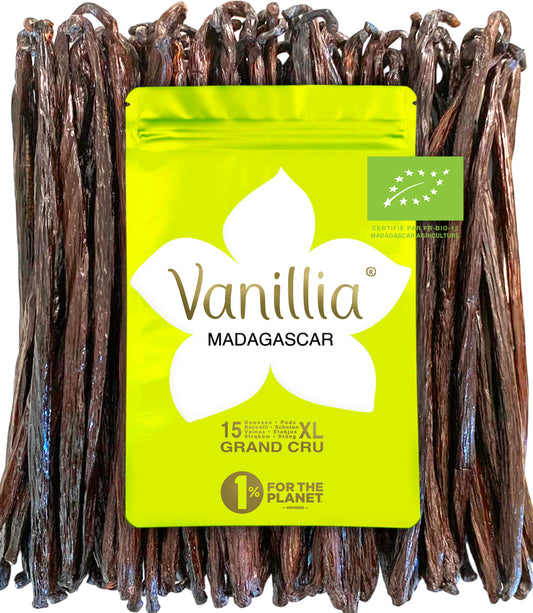
Faced with the challenges of quality sourcing, Vanillia offers exceptional Madagascar Bourbon Grand Cru vanilla beans. Grown without pesticides using ancestral methods, these beans benefit from natural sun drying and meticulous manual curing.
This artisanal approach preserves the integrity of aromatic compounds while respecting the environment. Each pod reflects family know-how passed down through generations, guaranteeing incomparable flavor authenticity for your most refined pastry creations.
The company's environmental commitment, which donates 1% of its sales to reforestation, is part of a sustainable approach particularly appreciated by ethically conscious professionals.
Optimal Dosages and Incorporation Techniques
Effective use of natural vanilla requires precise technical mastery. A quality pod typically flavors 500ml of liquid preparation, but this ratio varies depending on the desired intensity and the nature of the recipe.
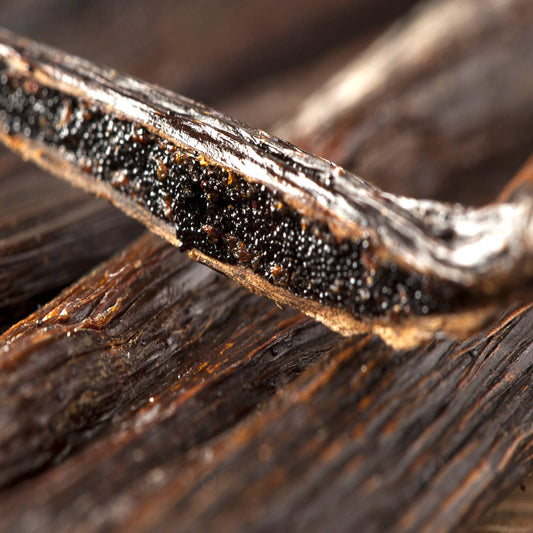
Seed extraction is done by delicate longitudinal incision, allowing the scraping of the black pulp rich in aromas. The outer shell, far from being waste, can be infused in hot preparations or dried and ground to create authentic vanilla sugar.
Economic Considerations and Sustainability
Cost-benefit analysis goes beyond the simple initial purchase price. This overall economic consideration influences professionals' sourcing strategies.
Long-Term Profitability and Quality Positioning
Despite a higher initial cost, natural vanilla offers a significant return on investment. Its aromatic strength allows for more measured dosages compared to artificial extracts, which are often overdosed to compensate for their lack of flavor.
Establishments positioned in the premium segment highlight this qualitative differentiation. This authentic marketing strategy builds loyalty among discerning customers and justifies higher pricing.
| Criterion | Natural Vanilla | Artificial Vanilla |
|---|---|---|
| Aromatic Complexity | 250+ Compounds | 1 Main Compound |
| Flavor Persistence | Long | Short |
| Initial Cost | High | Low |
| Environmental Impact | Positive (agriculture) | Negative (chemistry) |
Environmental Impact and Social Responsibility
Natural vanilla production supports the rural Malagasy economy and preserves traditional know-how. This sector, employing more than 80,000 families, directly contributes to regional socio-economic development.
Conversely, the chemical synthesis of vanillin generates industrial waste and consumes non-renewable fossil resources. This significant carbon footprint contrasts with the sustainable approach of respectful vanilla farming.
Practical Guide for Selection and Storage
Expertise in selecting natural vanilla determines the success of pastry creations. These technical criteria guide sourcing choices.
Quality Criteria and Classifications
A premium vanilla pod has several distinctive characteristics. Its length generally exceeds 15 centimeters, indicating optimal maturation. The suppleness to the touch shows perfect hydration, a sign of controlled drying.
The visual appearance also reveals quality: a uniform chocolate-brown color, without spots or mold, characterizes excellent pods. The presence of natural vanillin crystals on the surface, called "frost," is an indicator of exceptional aromatic concentration.
Quality classifications distinguish several grades:
- Gourmet pods: long, fleshy, very aromatic
- Grade A pods: superior quality for professional use
- Grade B pods: drier texture, ideal for extractions
- Vanilla powder: ground pods retaining all aromas
Optimal preservation techniques
Preserving organoleptic qualities requires strict storage conditions. Pods are kept in a cool, dry environment, protected from direct light which degrades aromatic compounds.
Vacuum packaging or airtight tubes preserve natural moisture while preventing microbial growth. A constant temperature between 15 and 20°C maintains the pods' suppleness without promoting excessive drying.
Frequently asked questions by professionals
Can artificial vanilla be completely replaced by natural vanilla?
This substitution is not only possible but recommended for most pastry applications. However, some industrial preparations require technical adjustments, especially regarding dosages and infusion times.
How to optimize aromatic extraction in pastry?
Prolonged infusion in hot preparations maximizes extraction. For creams, adding the split pod at the start of heating allows optimal diffusion. Cold preparations benefit from maceration for several hours or even overnight.
Is natural vanilla suitable for specific dietary regimes?
Naturally gluten-free, free from major allergens, and compatible with vegetarian and vegan diets, natural vanilla meets contemporary dietary requirements. This versatility broadens its use in modern pastry.
How to identify a high-quality natural vanilla?
Several indicators reveal excellence: the aroma must be powerful without being overpowering, the texture supple without excessive softness, and the visual appearance uniform. Certified Madagascar Bourbon origin generally guarantees consistent quality and strict traceability.