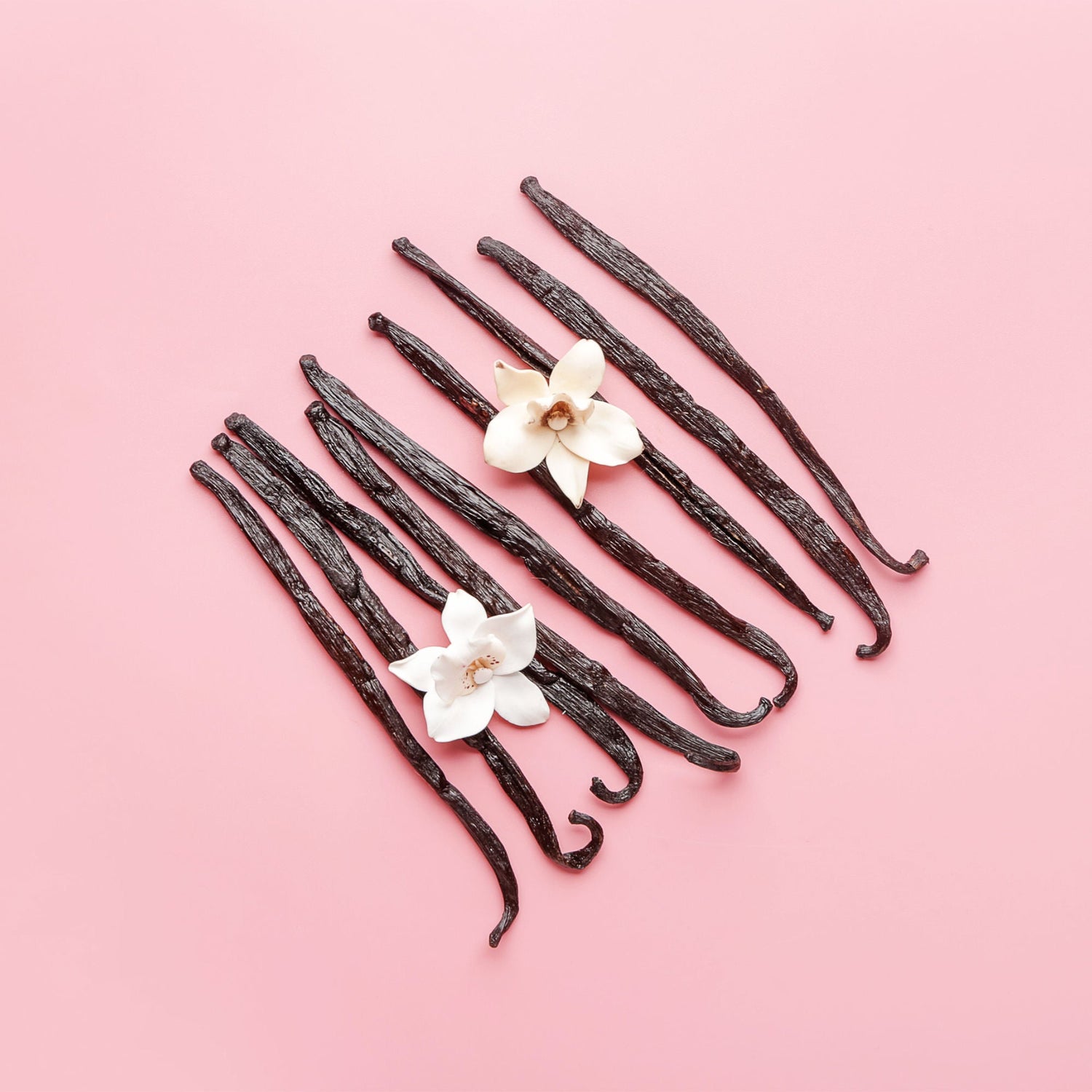


Artisanal vs. Industrial Vanilla: The Connoisseur’s Guide
Share
Vanilla Fundamentals: Understanding the Aromatic Essence
Vanilla, this precious spice nicknamed "Madagascar's black gold," transcends culinary boundaries to become a true heritage of flavor. Behind each pod lies a complex world of aromas, traditions, and know-how that radically distinguishes artisanal vanilla from its industrial counterpart. This fundamental dichotomy influences not only the flavor quality of your creations, but also the authenticity of your culinary approach.
The term "Bourbon" does not refer to any alcoholic drink, but historically designates Réunion Island, formerly called Bourbon Island. Today, this designation extends to all the vanilla-producing islands of the Indian Ocean, with Madagascar leading the way. Bourbon vanilla is characterized by its distinctive organoleptic profile, marked by powerful vanilla notes and subtle woody nuances.
The quality of a vanilla pod is measured through several determining criteria. The optimal moisture content, between 20 and 25%, guarantees flexibility and the preservation of aromas. The length, ideally between 15 and 20 centimeters, indicates optimal maturity at harvest. Finally, the visual appearance instantly reveals the level of mastery of the curing process: a uniform chocolate-brown color, a slightly oily surface, and the absence of mold are the hallmarks of excellence.
Artisanal Production: The Art of Traditional Processing
The Scalding and Sweating Process
The artisanal processing of vanilla begins with scalding, a crucial stage in which the green pods are immersed in a water bath heated to exactly 65°C. This precise temperature triggers the necessary cell death while preserving the integrity of the aromatic compounds. Artisanal producers monitor this phase meticulously, because a difference of just a few degrees can irreparably compromise the final quality.
Sweating follows scalding immediately. The pods are wrapped in wool blankets, creating a thermoregulated environment where enzymatic fermentation begins. Over 24 to 48 hours, the enzymes naturally present in the pod transform odorless precursors into vanillin and other aromatic aldehydes. This artisanal stage requires constant monitoring and know-how passed down from generation to generation.
Solar Drying and Manual Maturation
Drying is the longest stage of the artisanal process, stretching over several months. Unlike industrial methods, traditional drying relies exclusively on solar energy. The pods are exposed daily to the morning sun, then placed in the shade during the hottest hours. This rhythmic alternation promotes gradual, even dehydration while preserving aromatic complexity.
Manual maturation represents the pinnacle of artisanal expertise. Each pod is individually massaged, folded, and packaged according to ancestral techniques. This daily massage softens the fibers, evens out the distribution of essential oils, and develops the characteristic flexibility of superior-quality pods. Master vanilla makers instinctively recognize the optimal degree of maturation by touch alone.
Industrial Production: Standardization and Optimization
Industrial vanilla is primarily driven by profitability and standardization requirements. The volumes processed are measured in tons, requiring the automation of most traditional stages. This mechanized approach prioritizes the uniformity of the final product at the expense of the aromatic uniqueness specific to each terroir.
Industrial processes frequently use thermostatically controlled drying chambers to speed up drying. These facilities allow precise control of temperature and humidity, considerably reducing production times. However, this speed comes at the cost of a simplified aromatic profile. The subtle nuances, the result of traditional sun drying, fade in favor of a dominant but one-dimensional vanillin.
"Industrial vanilla meets the quantitative needs of the global market, but it cannot rival the aromatic depth of a pod matured according to traditional Malagasy methods."
The use of additives is another major difference. Some industrial producers use preservatives or flavor enhancers to standardize their products. Although these additives are permitted by regulations, they alter taste authenticity and can conceal processing defects.
Comparative Analysis: Quality, Aromas, and Authenticity
Distinctive Aromatic Profiles
Chromatographic analysis reveals substantial differences between artisanal and industrial vanilla. The former displays a complex aromatic spectrum, rich in secondary compounds: ethylvanillin, vanillic acid, vanillyl alcohol, and various lactones. This molecular diversity generates the base notes so prized by connoisseurs: floral touches, fruity nuances, and spicy accents.
| Criterion | Artisanal Vanilla | Industrial Vanilla |
|---|---|---|
| Vanillin content | 1.8 to 2.5% | 1.6 to 2.0% |
| Aromatic complexity | 150+ identified compounds | 80-100 compounds |
| Curing time | 8 to 12 months | 3 to 6 months |
| Flavor persistence | Long and evolving | Short and linear |
Industrial vanilla focuses mainly on vanillin, the molecule responsible for the basic aroma. This reductionist approach produces pods with a certainly recognizable taste, but lacking the unique olfactory signature that characterizes the great Malagasy terroirs.
Impact on Culinary Creations
In fine pastry-making, these qualitative differences translate into tangible results. A pastry cream made with artisanal vanilla develops an evolving aromatic palette: the top notes appear immediately, followed by more complex heart notes that linger on the palate. The tasting experience becomes multidimensional, with each bite revealing new nuances.
Industrial vanilla offers more predictable but less nuanced performance. It is perfectly suited to mass production requiring rigorous standardization. However, for exceptional creations where every detail matters, it cannot match the expressiveness of an authentic artisanal pod.
Recognizing and Selecting High-Quality Artisanal Vanilla
Visual and Tactile Criteria
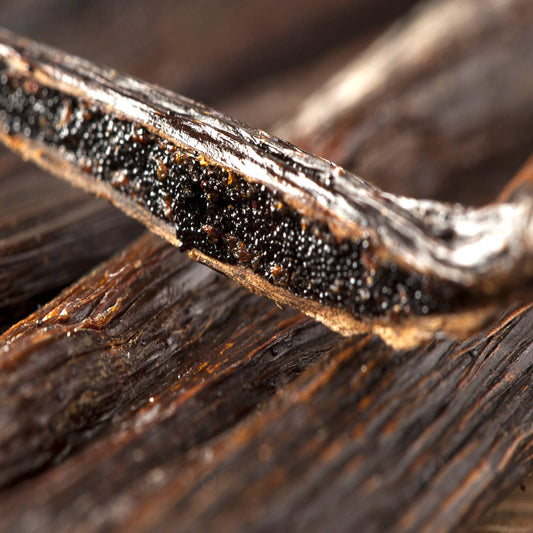
Expertise in selecting high-quality artisanal vanilla is acquired through careful observation of specific markers. An exceptional pod has an evenly brown color, with no faded areas or whitish spots that indicate poor storage. The surface should show a slight oily film, evidence of richness in volatile aromatic compounds.
Flexibility is a reliable indicator of quality. A properly cured pod bends without breaking, revealing a supple, fleshy texture. Conversely, a brittle or overly stiff pod indicates excessive drying or poor curing. Wrapping it around your finger allows you to assess this essential characteristic instantly.
- Minimum length of 15 centimeters
- No mold or crystallization
- Intense fragrance with no acrid notes
- Oily texture to the touch
- Seeds visible through translucency
Olfactory and Taste Evaluation
Sensory analysis immediately reveals the artisanal origin of a quality vanilla. The first olfactory contact should reveal a striking aromatic intensity, without harshness. The vanillin notes unfold harmoniously, accompanied by secondary nuances: balsamic wafts, chocolatey touches, discreet floral accents.
Tasting confirms this first impression. A small piece of pulp reveals a rounded, complex flavor, free of excessive bitterness. Aromatic persistence, the ultimate quality criterion, should last several minutes after tasting, demonstrating the richness and stability of the organoleptic compounds.
Frequently Asked Questions about Artisanal Vanilla
How should artisanal vanilla be stored optimally?
Ideally, it should be stored in an airtight container, away from light and at room temperature. Using glass tubes or vacuum-sealed bags preserves aromatic integrity for several years. Absolutely avoid refrigeration, which encourages drying out and alters the texture.
Can a pod be reused after the seeds have been extracted?
Absolutely. The emptied pod retains a significant aromatic load. It can flavor sugar, enrich a dairy preparation, or be dried and then ground into powder. This full use respects the ethics of the artisanal product and optimizes the quality investment.
How much artisanal vanilla should be used compared with industrial vanilla?
The higher aromatic concentration of artisanal vanilla generally makes it possible to reduce quantities by 20 to 30%. Half an artisanal pod is often equivalent to a whole industrial pod, thus optimizing value for money despite the higher initial investment.
How can you identify the geographical origin of a pod?
Each terroir leaves its organoleptic signature. Madagascar develops classic creamy, vanilla-like notes. Tahiti favors floral and anise-like accents. Réunion reveals distinctive fruity nuances. Expertise develops through comparative tasting and learning the regional specificities.