
What is a vanilla pod?
Share
The anatomy of a vanilla bean: decoding an aromatic treasure
The vanilla bean is one of the most prized spices in the world, a true olfactory gem born from tropical orchids of the Vanilla genus. This elongated pod, the result of the careful pollination of Vanilla planifolia, contains thousands of microscopic seeds immersed in a creamy pulp with complex aromas.
Contrary to popular belief, the vanilla bean is not naturally fragrant. Its characteristic bouquet develops only after a sophisticated curing process, a biochemical transformation that turns aromatic precursors into vanillin and other volatile compounds. This natural alchemy gives each bean its unique flavor personality.
Structure and composition of the vanilla pod
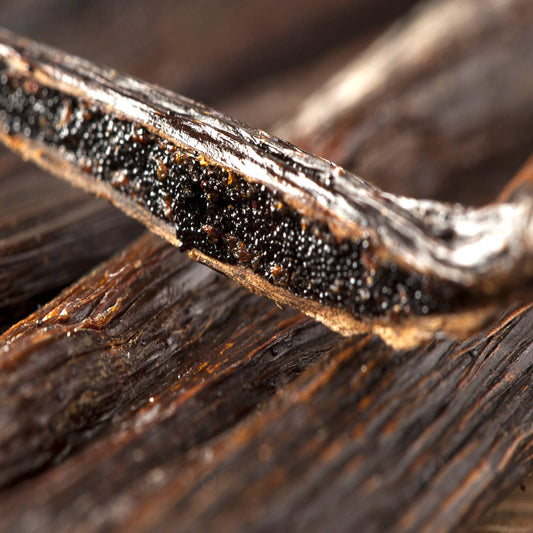
The morphology of the bean reveals a fascinating architecture. The waxy epidermis protects a pulpy flesh containing the seeds, true concentrates of aroma. The vanilla caviar, made up of these tiny black seeds, instantly releases its essences when the bean is slit lengthwise.
Dimensions vary according to geographical origin and ripening conditions. A premium bean generally measures between 15 and 20 centimeters, showing characteristic flexibility and a natural sheen that reflects its optimal freshness.
The geographical origins and their flavor characteristics
Each vanilla-growing terroir leaves its distinctive aromatic signature on the beans it produces. This organoleptic diversity results from the complex interaction between climate, soil, altitude, and local know-how passed down from generation to generation.
Madagascar: the kingdom of Bourbon vanilla
The red island accounts for nearly 80% of global production, mainly cultivating the Bourbon variety, renowned for its creamy, sweet notes. The humid tropical climate of Madagascar’s east coast, combined with traditional blanching techniques, gives the beans that rich texture and delicate aromatic profile so sought after by professionals.
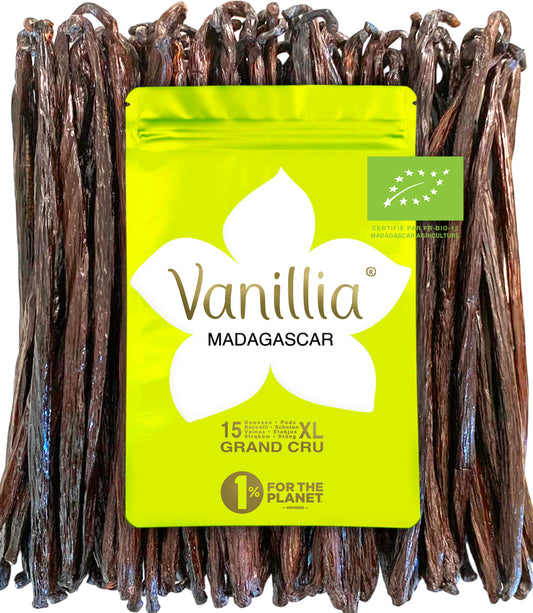
For discerning pastry enthusiasts, Vanillia offers exceptional Bourbon Grand Cru Madagascar vanilla beans. These organic beans, grown without pesticides and sun-dried, benefit from hand-finishing that respects ancestral methods. Their artisanal quality guarantees complex, intense aromas, perfect for enhancing your most refined culinary creations. The brand’s environmental commitment, which donates 1% of sales to reforestation, aligns perfectly with the sustainable values of conscientious chefs.
Tahiti: Vanillia tatensis with floral accents
Vanilla tahitensis stands out for its unique heliotropic profile, blending notes of anise, cherry, and licorice. This endemic variety from French Polynesia develops more volatile aromas, ideal for delicately flavoring dairy preparations and fruit-based desserts.
Other emerging terroirs
Uganda, India, and Mexico also produce pods with distinctive characteristics. Mexican vanilla, the historical birthplace of the spice, offers spicy and woody notes particularly appreciated in fine chocolate making.
The transformation process: from flower to spice
The metamorphosis of an orchid flower into an aromatic pod is a fascinating journey marked by several months of patience and expertise.
Pollination and fruit development
The manual pollination of the flowers, carried out with the aid of a simple stick, takes place within a narrow time window of just a few hours. This delicate intervention determines the formation of the fruit, which will require nine months of maturation on the plant.
Harvesting and preparation
Harvesting takes place at optimal maturity, when the tip of the pod begins to turn yellow. This is followed by the scalding process, a hot-water bath that initiates the enzymatic fermentation responsible for aromatic development.
« A superior-quality pod must show natural suppleness, a uniform chocolate-brown color, and spontaneously release its aromas without handling. »
Drying and refinement
Alternating sun-shade curing over several weeks concentrates the aromas while preserving suppleness. This crucial stage requires constant monitoring to avoid excessive drying or the development of mold.
Quality classification and selection criteria
The evaluation of a vanilla pod is based on objective criteria that make it possible to identify exceptional specimens.
| Criterion | Premium Grade | Commercial Grade |
|---|---|---|
| Length | 15-20 cm | 10-15 cm |
| Moisture | 30-35% | 20-25% |
| Appearance | Shiny, supple | Dull, rigid |
| Aroma | Intense, complex | Low, simple |
Critical defects to avoid
Several alterations can compromise the organoleptic quality:
- Cracking of the epidermis promoting oxidation
- Excessive vanillin crystallization on the surface
- Drying causing rigidity
- Visible fungal contamination
Culinary applications and usage techniques
The versatility of the vanilla pod makes it an essential ally for professionals and discerning enthusiasts alike.
Optimal extraction of aromas
The lengthwise splitting technique instantly releases the vanilla caviar. Infusing the scraped-out pod in hot preparations amplifies the spread of aroma. For cold applications, a longer maceration time is necessary.
Preservation and storage
A sealed package at room temperature preserves organoleptic qualities for several years. Vacuum packing or airtight tubes prevents dehydration while concentrating the aromas.
Economic impact and sustainability issues
The global vanilla market is undergoing major fluctuations, reflecting the sensitivity of this crop to climatic and geopolitical hazards.
Price volatility and speculation
Prices can vary from one to ten times depending on the harvest, creating instability that harms local producers. This situation encourages the development of less expensive synthetic alternatives that lack natural aromatic complexity.
Sustainable initiatives and fair trade
Many actors are committed to responsible practices:
- Organic certification guaranteeing the absence of pesticides
- Direct partnerships with producers
- Compensatory reforestation programs
- Training vanillliculteurs in best practices
Frequently asked questions about the vanilla pod
Can a pod be reused after extraction?
Absolutely. A scraped-out pod still retains enough residual aroma to flavor sugar, alcohol, or dairy preparations. Complete drying also makes it possible to grind it into aromatic powder.
How can you tell a real pod from an imitation?
Authenticity is verified by the presence of seeds inside, natural pliability, and spontaneous aromatic intensity. Counterfeits often have a suspicious rigidity and an artificial scent.
How much should be used to flavor a dessert?
Half a pod is generally enough to flavor 500ml of preparation. The intensity varies according to the origin and quality of the product, sometimes requiring adjustments based on taste preferences.
Does the color affect the quality?
A uniform chocolate-brown shade indicates optimal curing. Color variations may signal drying defects or a different origin, without necessarily compromising organoleptic qualities.
The vanilla pod remains a noble ingredient that demands respect and expertise. Its judicious use transforms ordinary culinary creations into memorable taste experiences, fully justifying its status as the queen spice of world gastronomy.