
5 fatal mistakes that ruin your vanilla desserts
Share
The crucial importance of vanilla in modern pastry
Vanilla remains the most prized spice in pastry, transcending culinary trends with its unmatched aromatic sophistication. This extraordinary orchid, when mastered with finesse, instantly elevates your dessert creations. However, many pastry chefs make harmful mistakes, irreversibly compromising the essence of their vanilla preparations.
The delicate art of working with vanilla requires a deep understanding of its complex organoleptic properties. The volatile aromatic molecules, mainly natural vanillin, require respectful handling to reveal their optimal flavor potential. A careless approach quickly turns a promising dessert into a culinary disappointment.
Experienced professionals recognize that the exceptional quality of a Bourbon Grand Cru vanilla pod directly influences the final result. This noble variety, grown using traditional methods without pesticides and manually refined, offers an aromatic palette of incomparable richness, unfolding floral, woody, and slightly spicy notes.
Mistake #1: Neglecting the quality and origin of the vanilla
The first fatal mistake is underestimating the crucial importance of the origin and intrinsic quality of the vanilla used. Many pastry chefs choose industrial extracts or low-quality pods, thinking they save money without measuring the disastrous impact on their creations.
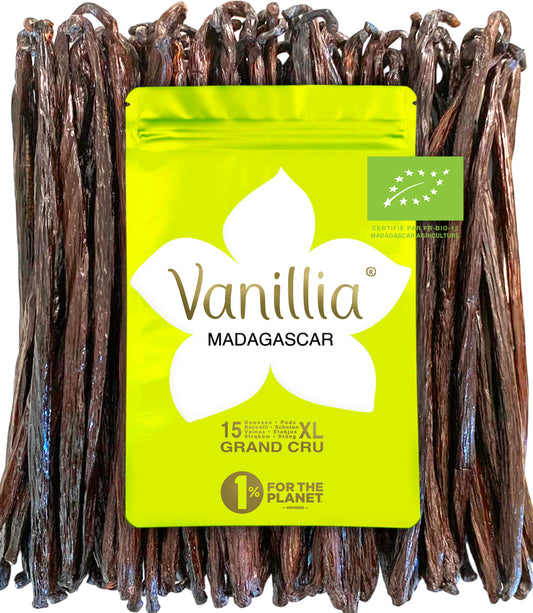
An authentic vanilla pod from Madagascar, sun-dried using ancestral methods, develops remarkable aromatic complexity. Vanillas from intensive farming lose this depth of flavor, producing bland and one-dimensional desserts. The absence of this aromatic richness is immediately noticeable on the palate.
How to recognize a superior quality vanilla
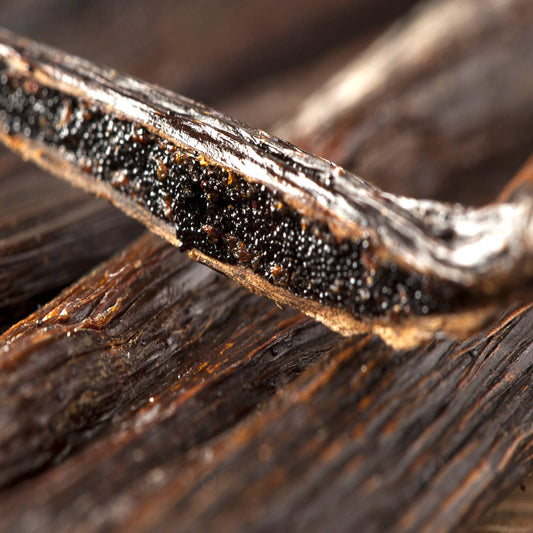
A premium pod has a slightly oily surface, a sign of its richness in natural vanillin. Its deep chocolate-brown color indicates optimal drying, while its suppleness shows proper preservation. The aroma should be strong without being harsh, revealing subtle nuances that vary according to the terroir of origin.
Natural vanillin crystals, sometimes visible on the surface, are a reliable indicator of exceptional quality. These crystalline formations develop only under perfect aging conditions, reflecting the artisanal know-how and patience invested in the maturation process.
Error #2: Inappropriate extraction techniques
The second major error lies in applying inappropriate extraction techniques, compromising the optimal expression of aromatic compounds. Many simply scrape the seeds superficially without fully exploiting the potential of the whole pod.
Infusing the split pod in warm milk, for example, gradually releases the complex aromas trapped in the cell walls. This gentle method preserves the integrity of volatile molecules, unlike a harsh extraction that destroys subtle nuances.
The optimal infusion technique
For maximum extraction, gently split the pod lengthwise while preserving the ends. Scrape the seeds with the tip of a knife, then incorporate everything into your warm preparation. The ideal temperature is between 60°C and 80°C, allowing harmonious diffusion without excessive volatilization.
"A well-extracted vanilla pod can flavor up to a liter of cream, revealing taste notes that no artificial extract can reproduce."
Temperature mistakes to avoid
Exposure to excessive temperatures irreversibly destroys delicate aromatic compounds. Above 85°C, vanillin degrades rapidly, giving way to bitter and unpleasant notes. This thermal degradation explains why some desserts have a characteristic metallic aftertaste.
Conversely, insufficient temperature prevents the full extraction of aromas. The optimal compromise requires careful monitoring and a fine understanding of the ongoing molecular transformations.
Error #3: Inadequate dosing and flavor imbalances
Dosing is a delicate art where excess is as harmful as insufficiency. Too much vanilla masks other flavors, creating a heavy taste that quickly becomes cloying. Conversely, underdosing results in bland desserts lacking that distinctive aromatic signature.
The empirical rule of one pod per 500ml of liquid is a starting point, but each preparation requires a personalized adjustment. Crème anglaise, by its delicate nature, tolerates a more generous dosage, while chocolate ganaches require a more measured approach.
Dosage tables according to preparations
| Type of preparation | Amount of liquid | Number of pods | Infusion time |
|---|---|---|---|
| Crème anglaise | 500ml | 1 whole pod | 20-30 minutes |
| Panna cotta | 400ml | 3/4 pod | 15-20 minutes |
| Ganache | 250ml | 1/2 pod | 10-15 minutes |
| Ice cream | 500ml | 1.5 pods | 2-3 hours |
The art of flavor balancing
Flavor harmony requires a deep understanding of the interactions between vanilla and other ingredients. Sugar amplifies the vanilla perception, while acidity tempers it. This complex synergy determines the final balance of your creation.
Fats, especially butter and cream, act as aromatic carriers, fixing and prolonging the vanilla persistence. This lipophilic affinity explains why dairy desserts better reveal the complexity of vanilla than aqueous preparations.
Mistake #4: Poor preservation and storage
Inadequate storage is a commonly overlooked mistake that gradually compromises the aromatic quality of your precious pods. Exposure to light, excessive humidity, or extreme dryness irreversibly degrades volatile compounds.
A properly stored pod retains its flexibility and aromatic intensity for several years. Conversely, approximate storage quickly turns a premium vanilla into a mediocre, stiff, and flavor-depleted ingredient.
Optimal storage conditions
Store your pods in an airtight container, away from direct light and temperature fluctuations. Darkness preserves photosensitive molecules, while a stable temperature between 15°C and 18°C maintains structural integrity.
- Avoid refrigeration at all costs as it dries out the pods
- Regularly check for the absence of mold
- Periodically refresh the air in the container
- Separate whole pods from opened pods
- Use glass containers rather than plastic
Signs of deterioration to watch for
A damaged pod shows easily identifiable characteristic signs. Excessive stiffness, dull brown discoloration, or the appearance of whitish spots indicate poor storage. Aromatic weakening usually accompanies these visual alterations.
Abnormal crystallizations, different from natural vanillin crystals, often indicate contamination or excessive moisture. These unwanted formations compromise flavor quality and require careful sorting.
Mistake #5: Poorly controlled timing and incorporation
The fifth fatal mistake concerns the timing of vanilla incorporation in your preparations. Premature addition exposes delicate aromas to prolonged cooking, while late incorporation prevents even flavor diffusion.
Each type of preparation dictates its specific incorporation protocol. Leavened batters tolerate early addition, with fermentation enhancing vanilla aromas. Conversely, delicate creams require measured incorporation to preserve their finesse.
Incorporation protocols according to textures
For cooked preparations, add vanilla at the beginning of the process, allowing progressive infusion during cooking. This method develops remarkable aromatic depth, with molecules bonding closely to other components.
Cold preparations require a different approach. Prepare a concentrated vanilla syrup to incorporate gradually, allowing precise control of the final intensity. This technique preserves aromatic freshness while ensuring even distribution.
Frequently asked questions about incorporation
Can vanilla be added directly into a cold batter?
Direct incorporation into a cold batter limits aroma diffusion. Prefer a pre-infusion in a small amount of warm liquid before the main addition.
How to avoid seed clumps in smooth preparations?
Gently strain the preparation after infusion, or use only the liquid extract for perfectly smooth textures.
Does vanilla withstand freezing?
Freezing preserves aromas but changes the texture. Add the vanilla after thawing to maintain optimal flavor integrity.