
Discover the Cuisine of Madagascar and Its Rich Cultural Traditions
Share
Have you ever dreamed of traveling to Madagascar and immersing yourself in its vibrant culture and exquisite cuisine? Madagascar, this fascinating island in the Indian Ocean, is so much more than an exotic getaway; it’s a true culinary paradise. Thanks to its rich cultural diversity, the island offers an incredible range of flavorful dishes that reflect its history and traditions. In this blog post, we’ll explore this unique cuisine and its key ingredients, letting our taste buds be amazed by Madagascar’s cultural richness.
The Culinary Diversity of Madagascar
At first glance, Malagasy cuisine may seem simple. However, its complexity lies in the richness of its local ingredients and diverse influences. Madagascar is a melting pot of cultures, and its dishes reflect this, blending African, Asian, and French flavors.
Rice: The Essential Ingredient
Let’s start with rice, the staple food par excellence in Madagascar. Rice is an integral part of every meal, often accompanied by "Laoka," a Malagasy term for the side dish that complements the rice. Whether it’s chicken, fish, or vegetables, the combinations are endless and change with the regions and seasons.
Zebu and Meats
Zebu, a species of humped cattle, is especially popular and forms a cornerstone of the island’s meat-based diet. Its meat is often grilled, stewed, or used in traditional dishes like "Romazava," a meat and leafy greens stew that delights both locals and visitors.
Flavors of the Sea
The island also offers marine treasures. Many dishes are made with fresh seafood like shrimp, crab, or fish. "Ravitoto," for example, often surprises newcomers: pounded cassava leaves cooked with pork, a rich and flavorful dish sure to delight the more adventurous.
Culinary Traditions: More Than Just Food
Food in Madagascar isn’t just about satisfying hunger—it’s an expression of culture and ceremony. Meals are often shared with family, where togetherness is key. During celebrations or special occasions, such as weddings or a 'Famadihana' (a traditional funerary ceremony), food plays a central role in bringing everyone together around the same dish.
The Art of Malagasy Tableware
Beyond the food itself, the way dishes are eaten is also significant. Malagasy people traditionally eat with their hands, always washing up before sitting down to eat. This is a sign of respect and cleanliness—a tradition that strengthens the bond between the meal and its guests.
Recipes Just Like Our Ancestors Made Them
Many Malagasy recipes are passed down from generation to generation, often with a personal touch or by using locally available ingredients. This personal culinary approach fosters an incredible diversity of dishes among communities and even within the same family.
Spices: The Guardians of Flavor
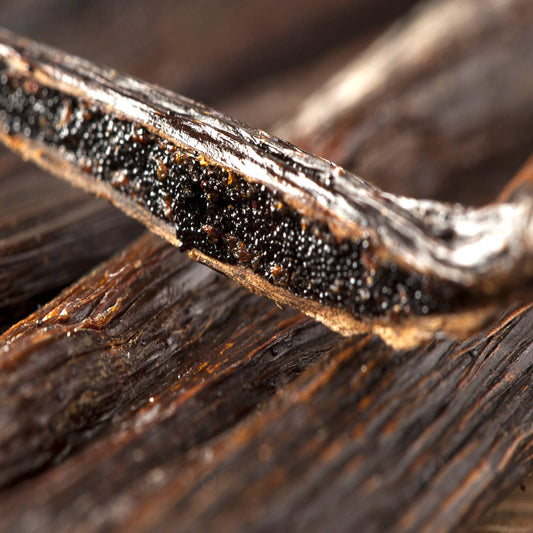
Madagascar is renowned for its spices that turn simple dishes into true culinary masterpieces. Vanilla is undoubtedly the most famous, considered one of the finest in the world and used in both desserts and savory dishes.
The Influence of Spices in Cooking
In addition to vanilla, other spices like Madagascar pepper, cinnamon, and clove are also highly prized. They add layers of flavor and a unique depth to dishes. Whether in a main course or a sauce, their presence is essential to perfect the recipe.
Traditional Dishes to Savor
Across the regions of Madagascar, certain dishes stand out as must-tries. Here are a few to consider for your next culinary adventure:
- Koba Rano: A rice-based cake topped with sweet sauce, perfect for snacks.
- Mofo Gasy: These soft, vanilla-flavored buns are perfect for breakfast.
- Akoho sy Voanio: Chicken with coconut milk, a perfect blend of local flavors and delicate spices.
A Cultural Journey Through Cuisine
The Malagasy culinary experience is about more than just filling your stomach. It's an opportunity to be transported culturally, to immerse yourself in the values of an island that celebrates both tradition and culinary innovation. Every dish tells a story, every ingredient has an origin, and every shared meal is a celebration of life itself.
If you’ve been intrigued by this culinary tale from Madagascar, why not dive deeper into this fascinating world? Visiting Vanillia might inspire you to discover these delights for yourself—and maybe even try them at home.
So get ready to taste the Malagasy difference and let yourself be swept away by this extraordinary culinary adventure!