
Decoding Madagascar’s Culinary Culture: What You Need to Know
Share
Hello to all food lovers and fans of exotic culinary discoveries! Today, I’m taking you on a flavor journey through Madagascar, that fabulous island where lush nature meets a rich and diverse culture. If you’re ready to spark your curiosity and tantalize your taste buds, let’s go!
A World of Diverse Flavors
Malagasy cuisine is as diverse as its landscapes. Influenced by the geography, history, and culture of Madagascar, it’s a blend of African, Asian, and French culinary traditions. Rice, known as “vary,” is the essential staple and is eaten in countless ways.
Cultural influences
Madagascar’s cuisine wouldn’t be what it is without the influence of the many cultures that have been part of its history. Arabs, Indians, Chinese, and Europeans—especially the French—all left their mark on this land. Each brought their own ingredients and cooking techniques, enriching the local culinary heritage.
Star Ingredients of Malagasy Cuisine
Madagascar’s generous natural environment provides an abundance of local ingredients that form the foundation of its signature dishes. Here are a few must-tries:
Vanilla
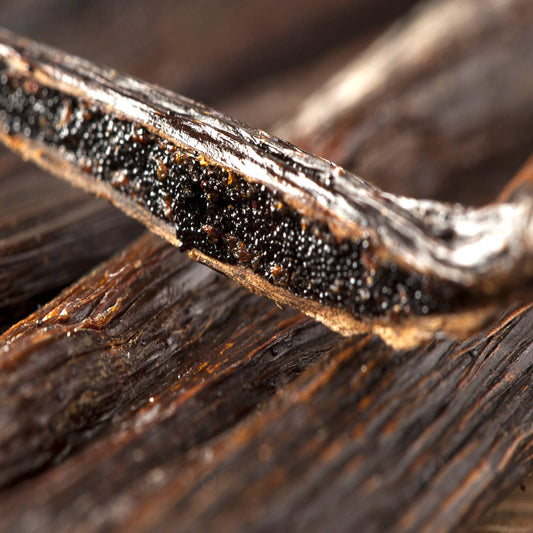
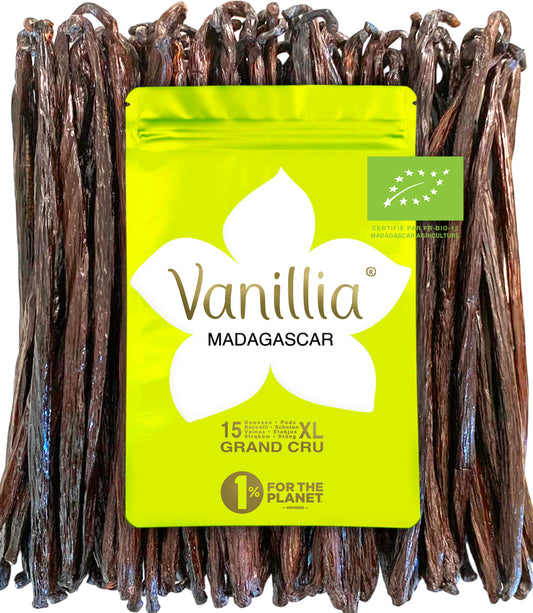
Known as one of the best in the world, Madagascar vanilla is a national treasure. It flavors countless desserts and even some savory dishes. The quality and aroma of this vanilla lend a unique and exceptional touch to any recipe.
The Zebu
Zebu is one of the most commonly eaten meats on the island. It’s tender and flavorful, and can be cooked in many ways: grilled on skewers at the market, slow-cooked at home, or even barbecued for family feasts.
Spices
Ginger, cumin, curry, and coriander are among the common spices that enhance many local dishes. Their use varies from region to region, but they’re always there to bring an incomparable depth of flavor.
Tropical Fruits
Mangoes, lychees, bananas, and coconut trees dot the Malagasy landscape, often enjoyed at the end of a meal or incorporated into certain dishes. The fresh, sweet flavor of these fruits is perfect for balancing the sometimes spicy seasonings of local cuisine.
Traditional Dishes You Must Try
Visiting Madagascar without tasting its culinary specialties would mean missing out on a vital part of its culture. Here are some dishes you absolutely must try:
Ravitoto
An authentically Malagasy dish, ravitoto is a stew of pounded cassava leaves, often cooked with pork. It’s a hearty and flavorful meal that immerses you in the country’s culinary tradition.
Mofo Sakay
For those who love bold flavors, mofo sakay is a spicy fritter, perfect for your appetizers. Made from fried dough, it’s often seasoned with chili for an extra kick.
Romazava
This traditional stew is made with zebu meat and brède mafane, a local vegetable with a distinctive flavor. Romazava is often served with rice, making for a complete and balanced meal.
A Way of Life Around the Table
While Malagasy cuisine is a treat for the taste buds, it’s also a social experience. In Madagascar, meals are often enjoyed in large groups, bringing together family and friends. It’s a moment of sharing and togetherness, where food becomes a bridge between generations and a source of joy.
As conversations unfold, you realize that each dish shared is much more than just a recipe: it’s a story, a memory, a moment rooted in the memories of those who taste it.
Traveling Through Flavors
Each region of Madagascar has its own specialties, ingredients, and unique ways of preparing dishes. The colorful markets in every town and village are filled with fresh, local products, letting you discover Malagasy cuisine in all its splendid diversity.
That’s the magic of Madagascar’s cuisine: taking a journey with every bite, letting your senses dance, and being swept away by the whirlwind of flavors born from this tender alchemy between nature and culture.
For more culinary adventures, don’t forget to visit our website Vanillia !
Enjoy your meal, and see you soon for more delicious discoveries!