
Decoding Gourmand Aromas: The Science of Vanilla
Share
The Fascinating Chemistry of Vanilla's Aromatic Compounds
Gourmet vanilla aromas make up an olfactory world of remarkable complexity. Vanillin, the main aromatic aldehyde, represents only a fraction of the 250 volatile compounds identified in an authentic vanilla pod. This molecular symphony includes esters, phenols, lactones, and organic acids that together orchestrate the distinctive aromatic signature.
Heliotropin and anisaldehyde bring subtle floral nuances. Pyrazines give delicate roasted notes. Meanwhile, furans develop caramelized accents that enrich the overall flavor profile. This chemical diversity explains why Madagascar Bourbon vanilla pods offer such a rich and nuanced aromatic palette.
Aromatic Precursors and Their Transformation
During the traditional curing process, the glucovanillins present in fresh pods undergo a fascinating enzymatic hydrolysis. This biochemical transformation gradually releases the aromatic molecules trapped in the plant tissues. Sun drying, an ancestral practice upheld by Malagasy producers, encourages this gentle maturation.
The art of curing reveals the hidden complexity of each pod, transforming a green, scentless fruit into an aromatic treasure with many sensory facets.
The Influence of Terroir on the Aromatic Profile
Malagasy terroir gives gourmet vanilla aromas a unique and recognizable identity. Volcanic soils rich in minerals, the humid tropical climate, and regular rainfall create an optimal environment for the development of vanilla orchids. This geoclimatic combination directly influences the concentration and quality of aromatic compounds.
Variations in altitude, exposure, and microclimates generate subtle nuances between different plots. Each farm thus develops its own aromatic signature, the result of a specific terroir and know-how passed down from generation to generation. This diversity explains the richness and complexity of Bourbon Grand Cru vanilla.
The Impact of Sustainable Farming Practices
Pesticide-free cultivation preserves the integrity of natural aromatic compounds. Chemical treatments can alter the biosynthesis of volatile molecules and compromise the product's final quality. Organic farming respects natural cycles and encourages the balanced development of aromatic precursors.
Manual pollination techniques, practiced at dawn to respect floral cycles, ensure optimal fertilization. This artisanal precision is reflected in the quality of the fruits obtained and, consequently, in the intensity of the flavors developed during curing.
Curing Methods and Their Impact on Flavors
Traditional manual curing gradually reveals the complex aromatic palette of vanilla pods. This age-old technique begins with careful scalding, which stops plant ripening and initiates essential enzymatic reactions. The pods then acquire their characteristic brown color and develop their first flavors.
Sweating in padded boxes maintains controlled temperature and humidity. This crucial step allows enzymes to transform odorless glucosides into volatile aromatic compounds. The duration and temperature of sweating directly influence the final profile of the gourmet vanilla flavors.
Sun Drying: A Preserved Tradition
Sun drying is the most delicate step in the curing process. The pods are exposed daily to the morning rays, then protected during the hottest hours. This controlled alternation encourages the gradual concentration of flavors without risking the degradation of sensitive molecules.
| Aging stage | Duration | Flavor impact |
|---|---|---|
| Scalding | 3 minutes | Enzymatic activation |
| Sweating | 24-48 hours | Development of precursors |
| Sun drying | 2-3 months | Flavor concentration |
| Packaging | 6-12 months | Final aging |
Aging in Trunks: The Final Step
Packaging in airtight trunks allows the flavors to stabilize and gain complexity. During this phase, the pods develop their natural frosting, a sign of an optimal concentration of crystallized vanillin. This white bloom reveals the exceptional quality of the finished product.
Culinary Applications and Flavor Optimization
The optimal use of gourmet vanilla flavors in pastry making requires a thorough understanding of molecular interactions. High temperatures volatilize certain delicate compounds, while fats capture and concentrate lipophilic molecules. This knowledge guides professionals in their creations.
Cold infusion preserves the volatile floral notes often lost during traditional cooking. Custards and ganaches benefit particularly from this technique, which reveals all the aromatic subtlety of premium pods. Extracting the black seeds instantly releases an intense aromatic bouquet.
Professional Extraction Techniques
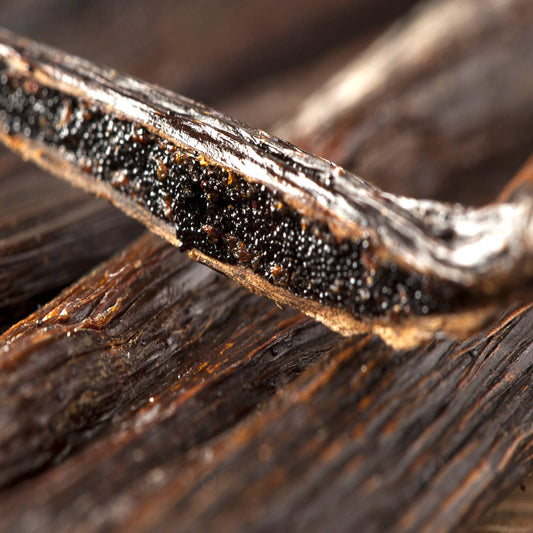
The lengthwise incision of the pod exposes the pulp rich in vanilla caviar. This technique immediately releases the aromas concentrated in the seeds. Professionals then reuse the pods to flavor sugars, syrups, or spirits, thus maximizing their full aromatic potential.
- Slow infusion in hot liquids (milk, cream)
- Extended maceration in fine spirits
- Direct incorporation of the caviar into doughs
- Rehydrating the pods in syrups
Why Choose Authentic Artisan Vanilla?
Synthetic gourmet vanilla flavors reproduce only the vanillin molecule, ignoring the 249 other compounds that make natural vanilla so rich. This aromatic simplification considerably diminishes the tasting experience and limits the creative possibilities of demanding pastry artisans.
Madagascar Bourbon Grand Cru vanilla offers unparalleled aromatic complexity. Its creamy notes, floral accents, and spicy nuances create a distinctive flavor signature that only authentic vanilla can provide. This richness fully justifies the investment in an exceptional product.
Environmental Commitment: A Responsible Choice
Choosing sustainably grown vanilla helps preserve Madagascar's fragile ecosystems. Reforestation programs funded by sales support local biodiversity and offset the carbon footprint of transport. This ethical approach reconciles taste pleasure with environmental responsibility.
Complete traceability guarantees production conditions that respect local producers. This transparency ensures professionals ethical sourcing aligned with the growing expectations of conscious consumers. Authenticity thus becomes a distinctive selling point.
How can you recognize exceptionally high-quality vanilla? A supple, oily appearance, natural frosting, and aromatic intensity are reliable indicators of a premium product. These objective criteria guide professionals in their sourcing choices.