
Creating Exotic Desserts: Innovative Vanilla Recipes
Share
The Art of Enhancing Your Desserts with Exotic Vanilla
Vanilla, that mysterious orchid with captivating aromas, transcends culinary boundaries to establish itself as the queen spice of exotic pastry. Far from standardized flavors, exploring exotic vanilla recipes opens up a world of taste where authenticity meets innovation. This precious spice, cultivated in the tropical terroirs of Madagascar, reveals its aromatic complexity through bold creations that overturn the traditional codes of dessert-making.
Each Bourbon vanilla pod contains unique volatile compounds, developed under the blazing sun of the Malagasy highlands. These sophisticated olfactory notes - natural vanillin, vanillic acid, cinnamic aldehyde - create a sensory symphony that instantly transforms your sweet preparations.
Understanding Vanilla Varieties for Authentic Creations
Madagascar Bourbon Vanilla: An Aromatic Jewel
Madagascar's Vanilla planifolia stands out for its incomparable organoleptic profile. This variety naturally develops creamy, buttery, and floral notes that harmonize perfectly with contemporary exotic flavors. Its exceptionally high vanillin content - ranging between 1.8% and 2.5% - guarantees a lasting aromatic intensity that withstands prolonged cooking.
Traditional curing, carried out according to ancestral methods passed down from generation to generation, gives these pods their characteristic suppleness and an optimal concentration of active compounds. This slow maturation, spread over several months, allows the full development of the secondary aromatic compounds that distinguish an exceptional vanilla.
Selection and Preparation of Artisanal Pods
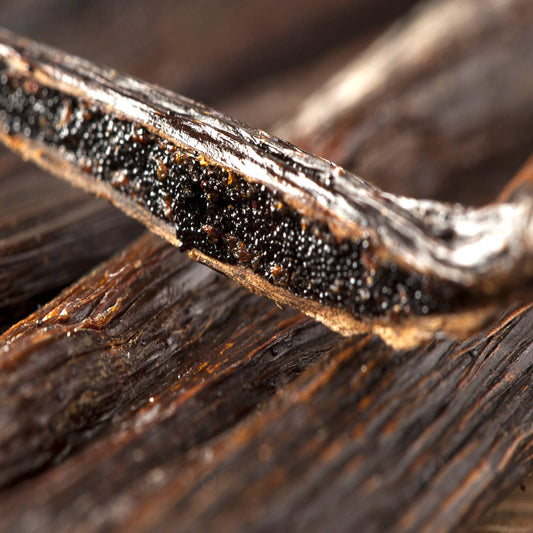
Identifying a superior-quality pod is based on several decisive criteria. Flexibility is the first indicator: a Premium pod bends without breaking, revealing optimal moisture. Visual appearance also plays a crucial role - a slightly oily surface, dotted with natural vanillin crystals, is evidence of exemplary maturation.
The seed extraction process requires a precise technique to preserve aromatic integrity. The lengthwise incision, made using a sharp paring knife, must respect the internal structure of the pod to release those thousands of black seeds, true flavor concentrates.
Advanced Techniques to Maximize Exotic Flavors
Infusion and Extraction: Professional Methods
Cold infusion is a revolutionary technique for extracting the aromatic quintessence without altering heat-sensitive volatile compounds. This method consists of immersing split pods in a liquid - milk, cream, alcohol - for 24 to 48 hours at room temperature. The aromatic molecules are released gradually, creating an extract of remarkable purity.
"Cold extraction preserves the delicate top notes that evaporate during traditional heating, thus revealing the full flavor complexity of artisanal vanilla."
The alcoholic maceration technique makes it possible to obtain ultra-powerful concentrates. By combining crushed pods and white rum at 40°, then letting it rest for a minimum of three weeks, you obtain a homemade extract with organoleptic properties superior to industrial versions.
Pairing with Complementary Exotic Spices
Flavor harmony is born from the subtle balance between vanilla and its aromatic partners. Green cardamom brings a minty freshness that enhances the creamy notes of Bourbon vanilla. Candied ginger introduces a spicy warmth that contrasts elegantly with the vanilla sweetness.
Tropical citrus fruits - combava, yuzu, calamansi - create fascinating aromatic bridges. Their essential oils, rich in limonene and citral, amplify the perception of vanilla esters while bringing a tangy liveliness that structures the final flavor profile.
Innovative Recipes: Tropical Fusion and French Tradition
Coconut-Vanilla Flan with Passion Fruit
This bold creation revisits traditional flan by incorporating authentic island flavors. The dairy base, enriched with thick coconut milk and infused with two Bourbon vanilla pods, develops extraordinary creaminess. The addition of passion fruit pulp, with its tangy notes and complex volatile aromas, creates a striking contrast.
The bain-marie cooking technique remains essential for achieving this characteristic silky texture. The temperature must be strictly controlled - 160°C maximum - to avoid the coagulation of milk proteins, which would compromise the finesse of the final result.
| Ingredient | Quantity | Preparation |
|---|---|---|
| Madagascar vanilla pods | 2 units | Split and scraped |
| Coconut milk | 400ml | Thick quality |
| Whole eggs | 4 units | Room temperature |
| Passion fruit pulp | 150ml | Freshly extracted |
Dark Chocolate and Tahitian Vanilla Mousse
The pairing of single-origin cocoa and artisanal vanilla goes beyond classic combinations. This sophisticated mousse harnesses the synergy between the phenolic compounds of 70% dark chocolate and vanilla aldehydes. The airy texture is achieved by delicately folding in a stabilized French meringue.
The chocolate-vanilla emulsion requires particular attention to working temperatures. The chocolate, melted to a maximum of 50°C, receives the warmed vanilla infusion to preserve the mixture’s overall homogeneity. This method prevents the separation phenomenon that compromises the final structure.
Tropical Tart: Mango-Vanilla-Lime
This contemporary interpretation of fruit tart combines the generosity of Kent mango with the sophistication of Madagascar vanilla. The vanilla pastry cream, lightened by the incorporation of whipped egg whites, harmoniously supports the acidity of lime and the melting flesh of the mango.
Breton shortbread, enriched with candied lime zest, provides the essential crisp structure. Its generous butter content - 40% fat - guarantees that characteristic crumbly texture that melts in the mouth while gradually releasing its aromas.
Storage Advice and Aroma Optimization
Optimal Storage of Artisanal Pods
Preserving organoleptic qualities requires rigorous storage conditions. Premium vanilla pods must be stored in a humidity-controlled environment - between 65% and 75% - to maintain their natural suppleness. A sterilized airtight glass container is the ideal case.
Exposure to direct light causes photochemical degradation of the aromatic compounds. Storing it in a cool cupboard, away from temperature fluctuations, preserves its flavor intensity for several years. Some professionals recommend wrapping each one individually in parchment paper to prevent moisture transfer.
Enhancing Aromas Through Temperature
Vanilla's aromatic perception varies considerably depending on the serving temperature. Cold desserts primarily reveal the top notes - floral and ethereal - while warm preparations enhance the creamy, buttery heart notes. This aromatic thermodynamics guides the choice of preparation techniques.
Adding vanilla at the end of cooking preserves the volatility of the most delicate compounds. For preparations that require prolonged cooking, a double addition - at the beginning and at the end of the process - guarantees the desired aromatic complexity.
Frequently Asked Questions About Using Exotic Vanilla
Can the pods be reused after the seeds have been extracted?
Absolutely. The pods retain a significant aromatic concentration. They can be dried and then ground to obtain a fragrant powder, or infused into sugar to create an exceptional natural vanilla sugar.
How much vanilla should you use for 500ml of cream?
One high-quality Madagascar pod is generally enough to flavor 500ml of liquid base. This proportion can be adjusted depending on the desired intensity and the planned infusion time.
How can you identify high-quality artisanal vanilla?
Several indicators help with this identification:
- Natural flexibility without breaking
- Slightly oily surface
- Intense and complex aroma
- No mold or suspicious spots
- Minimum length of 15 centimeters
Creating exotic desserts with artisanal vanilla turns every preparation into a memorable sensory experience. This exceptional spice, carefully cultivated according to centuries-old traditions, reveals its magic through recipes that celebrate authenticity and culinary innovation.