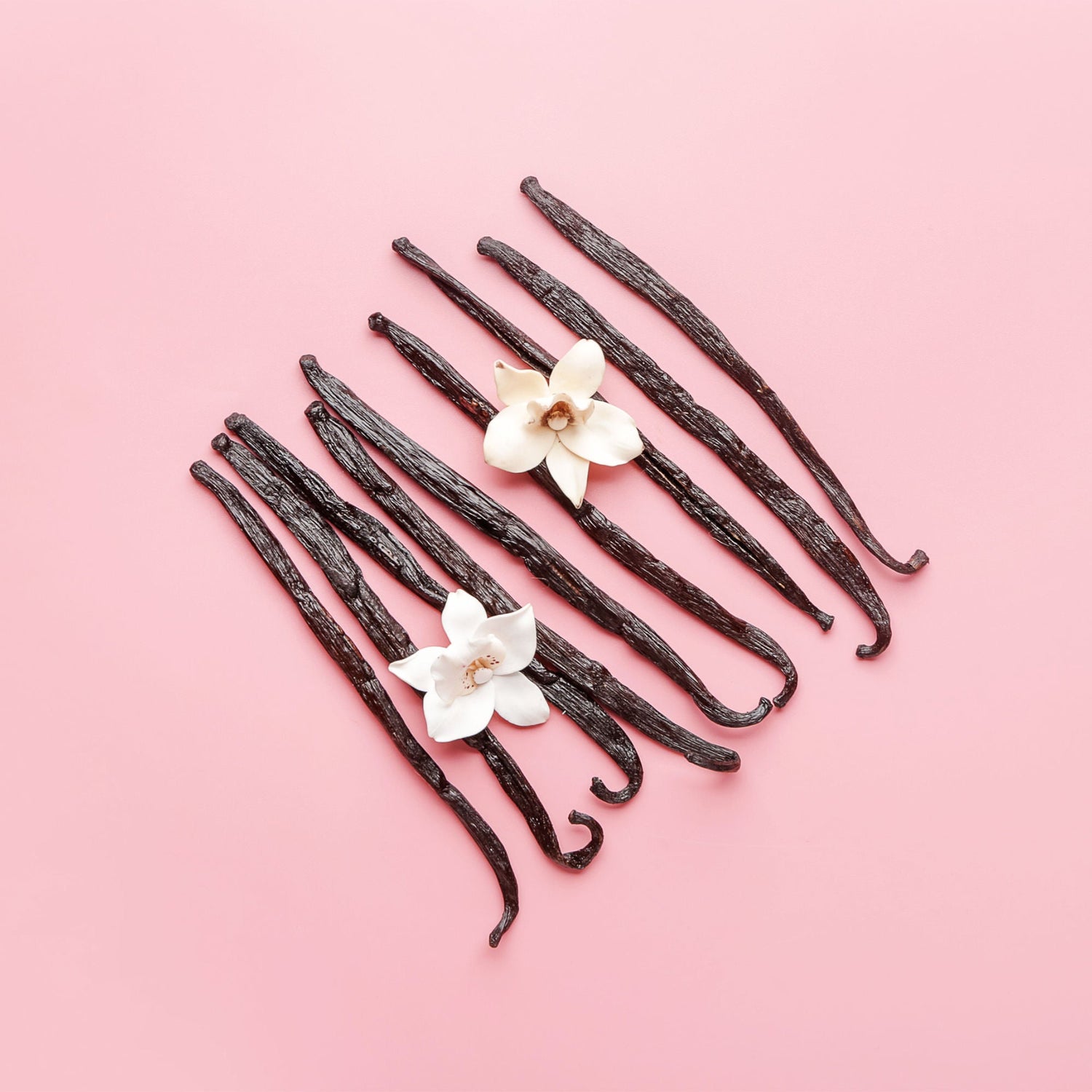


Madagascar: Historical Birthplace of Bourbon Vanilla
Share
The Vanilla Odyssey: From Wild Orchid to Malagasy Treasure
Vanilla planifolia, this epiphytic orchid of Mesoamerican origin, found its ideal terroir on the red soils of Madagascar. The Indian Ocean archipelago now hosts nearly 80% of the world’s Bourbon vanilla production, this designation of origin exclusively referring to pods cultivated in the islands of the western Indian Ocean.
This precious spice, nicknamed "green black gold" by traders, results from a complex transformation process. Vanilla flowers, with a delicate yellow-green hue, bloom for only one day and require meticulous manual pollination. This technique, developed by Edmond Albius in 1841 on La Réunion, revolutionized vanilla farming in the Indian Ocean.
The Beginnings of Vanilla Cultivation
The introduction of vanilla to Madagascar dates back to the 1880s, orchestrated by French colonists eager to diversify tropical crops. The first plants were transported from La Réunion to the eastern coast of the Big Island, notably in the Sambava and Antalaha regions, which today form the heart of SAVA (Sambava-Antalaha-Vohémar-Andapa).
The humid tropical climate of this region, characterized by abundant rainfall and consistent temperatures, provided ideal conditions for the flourishing of this capricious orchid. The lateritic soils, rich in organic matter and well-drained, completed this exceptional terroir.
The Ancestral Art of Vanilla Preparation
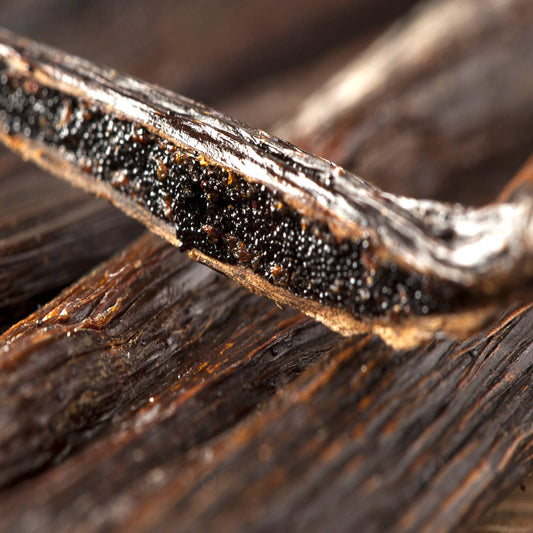
The transformation of green pods into aromatic vanilla is a craft passed down from generation to generation. This artisanal alchemy begins with blanching, a process that involves dipping the fresh pods in water maintained at 65°C for a few minutes. This crucial step stops vegetation and initiates enzymatic reactions that generate aromas.
Next comes sweating, a phase during which the pods are wrapped in wool blankets and placed in airtight boxes. This controlled sweating, maintained between 45 and 50°C, allows the development of aromatic precursors. Vanillin, the emblematic molecule, gradually forms through enzymatic hydrolysis of glucovanillins present in the plant tissues.
Sun Drying: A Centuries-Old Tradition
Drying is the most delicate step of the process. Spread out on woven bamboo racks, the pods benefit from carefully controlled sun exposure. Malagasy vanilla growers master this art with remarkable precision, alternating periods of sun and shade rest.
"Each pod tells the story of a land and its people. The sun-drying in Madagascar gives our vanilla this incomparable aromatic complexity, the result of a unique terroir and ancestral know-how."
This phase, lasting several weeks, requires constant monitoring. Ambient humidity, temperature variations, and light intensity directly influence the final quality. The pods gradually lose their moisture, dropping from 80% to about 20-25%, while developing their aromatic range.
Classification and Bourbon Excellence
Bourbon vanilla from Madagascar comes in several grades, reflecting the qualitative diversity of this artisanal production. The classification is based on strict criteria: length, suppleness, vanillin content, external appearance, and aromatic intensity.
Hierarchy of Vanilla Qualities
| Grade | Length (cm) | Characteristics | Usage |
|---|---|---|---|
| Gourmet | 15-23 | Fleshy, supple, shiny pods | High-end pastry, gastronomy |
| TK (Mixed Kirogr.) | 10-15 | Standard quality, good value for money | Food industry |
| Splits | Variable | Split pods, intense aromas | Extraction, infusions |
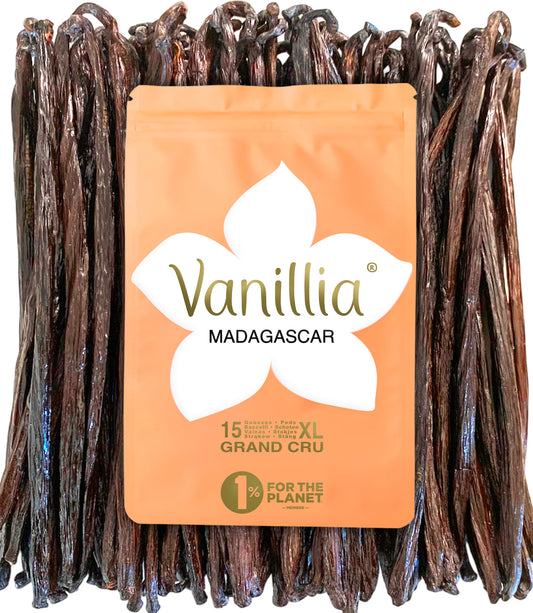
The Grand Cru pods represent the excellence of Malagasy vanilla. These exceptional specimens, cultivated using traditional methods, develop organoleptic profiles of remarkable complexity. Their prolonged maturation encourages the emergence of subtle notes: floral, fruity, sometimes slightly spicy.
Exceptional Terroirs and Microclimates
Each vanilla-growing region of Madagascar imprints its aromatic signature. The Sambava peninsula produces pods with strong, chocolatey aromas. Antalaha favors more floral and delicate profiles. These microclimatic variations, combined with local preparation techniques, create an exceptional flavor mosaic.
Family plantations perpetuate these traditions. Passed down from father to son, this technical heritage is Madagascar’s intangible wealth. Vanilla growers develop an intimate knowledge of their plots, adapting their practices to local pedoclimatic specificities.
Socio-Economic Impact and Contemporary Challenges
Malagasy vanilla farming employs nearly 80,000 rural families, constituting a major economic pillar for the northeastern regions. This sector generates substantial income for local communities, especially during the harvest campaigns from July to September.
However, the volatility of international prices weakens this economy. Tropical cyclones, frequent in this geographic area, regularly threaten the plantations. Climate change increases these risks, altering traditional rainfall patterns.
Sustainable Initiatives and Environmental Preservation
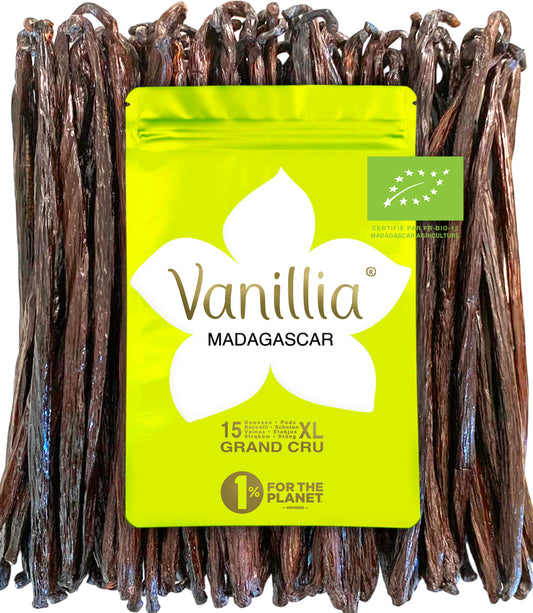
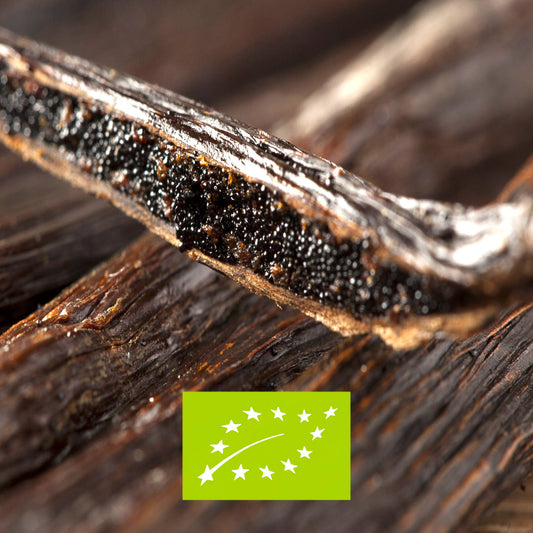
In response to these challenges, environmentally friendly vanilla farming practices are emerging. Organic agriculture is gaining ground, favoring organic amendments and banning chemical inputs. This approach preserves the biodiversity of vanilla agroecosystems while ensuring the aromatic purity of the pods.
- Crop rotation to maintain soil fertility
- Use of living stakes promoting biodiversity
- Composting organic waste from processing
- Preservation of endemic local varieties
- Training young vanilla growers in traditional techniques
Reforestation programs often accompany these initiatives. Each pod sold contributes to the planting of native trees, restoring degraded ecosystems while sequestering atmospheric carbon.
Madagascar thus remains the guardian of a unique vanilla heritage. This continental island, the historical birthplace of Bourbon vanilla, continues to write the story of this exceptional spice, combining ancestral tradition and sustainable innovation.